Month: October 2023

Video Marketing: Engaging Your Audience Through Visual Content

In today’s fast-paced digital world, attention spans are shrinking, and businesses face the challenge of capturing their audience’s attention. As a result, video marketing has emerged as a powerful tool for engaging and connecting with consumers. Video content allows for storytelling, visual appeal, and quick communication of messages. In this article, we’ll explore the world of video marketing, its importance, and strategies for effectively engaging your audience through visual content.

The Power of Video Marketing

Video marketing is a versatile and compelling medium that offers numerous advantages:

  1. Visual Appeal: Humans are inherently drawn to visuals. Video combines imagery, sound, and motion to create a more immersive and captivating experience.
  2. Storytelling: Videos allow you to tell a story, conveying your message in a way that resonates emotionally with your audience. Stories are more memorable than facts and figures.
  3. Increased Engagement: Videos tend to receive higher engagement rates than text or static images on social media platforms. They encourage likes, shares, and comments, boosting your brand’s visibility.
  4. Higher Conversion Rates: Video content often leads to higher conversion rates. People are more likely to take action after watching a video, whether it’s signing up for a newsletter, making a purchase, or sharing the content.

Types of Video Content

There is a wide array of video content formats you can use to engage your audience:

  1. Explainer Videos: These videos explain a product or service’s features, benefits, and how it solves a problem.
  2. Product Demonstrations: Showcasing your product in action can help consumers understand how it works and what it can do for them.
  3. Customer Testimonials: Authentic reviews from satisfied customers build trust and credibility.
  4. Educational Tutorials: Sharing knowledge or skills related to your industry can position your brand as an authority.
  5. Behind-the-Scenes: Offering a glimpse into your company’s culture and processes can humanize your brand.
  6. Live Videos: Live streaming engages your audience in real-time, fostering a sense of immediacy and interactivity.

Tips for Engaging Video Marketing

To maximize the impact of your video marketing efforts, consider the following strategies:

  1. Know Your Audience: Understanding your target audience’s preferences, needs, and pain points is crucial. Tailor your video content to resonate with them.
  2. Create High-Quality Content: Invest in good equipment, professional editing, and well-scripted content. High-quality videos reflect positively on your brand.
  3. Optimize for Mobile: With mobile device usage on the rise, ensure your videos are mobile-friendly and load quickly on various devices.
  4. Hook Viewers Early: The first few seconds of your video are critical. Grab your audience’s attention quickly to keep them engaged.
  5. Tell a Compelling Story: Craft a narrative that evokes emotion and connects with your viewers on a personal level.
  6. Use Calls to Action (CTAs): Encourage your audience to take specific actions, whether it’s visiting your website, subscribing, or making a purchase.
  7. Utilize Social Media: Share your videos on social platforms where your audience is most active. Each platform may require a slightly different approach.
  8. Measure and Optimize: Analyze video performance using metrics such as view count, watch time, and engagement. Use these insights to refine your future video content.

Conclusion

Video marketing is more than a trend; it’s an essential component of any successful digital marketing strategy. It offers a dynamic and engaging way to connect with your audience, tell your brand’s story, and drive conversions. By understanding your audience, creating compelling content, and leveraging the power of video, you can engage and captivate your viewers, ultimately turning them into loyal customers and advocates for your brand. Embrace video marketing to stay ahead in the evolving digital landscape.
The Role of Chatbots and AI in Customer Engagement

In an era defined by rapid technological advancement, the integration of Artificial Intelligence (AI) and Chatbots has redefined the landscape of customer engagement. These intelligent digital tools have become indispensable for businesses seeking to improve customer service, enhance user experience, and increase operational efficiency. In this article, we explore the evolving role of Chatbots and AI in the realm of customer engagement and why they have become a vital asset for companies looking to stay competitive in the digital age.

1. Immediate Responses to Customer Queries

One of the primary benefits of Chatbots and AI in customer engagement is the ability to provide instant responses to customer inquiries. Chatbots are available 24/7, ensuring that customers can get assistance at any time. This round-the-clock accessibility not only meets the expectations of today’s ‘always-on’ consumers but also contributes to enhanced customer satisfaction.

2. Personalization at Scale

AI-powered systems have the capability to analyze customer data and behaviors to provide highly personalized experiences. By understanding user preferences and history, Chatbots can recommend products, services, or solutions tailored to the individual, increasing the likelihood of conversion and customer retention.

3. Efficient Issue Resolution

Chatbots can handle routine customer issues and frequently asked questions with efficiency. This frees up human agents to tackle more complex inquiries and problem-solving. The combination of AI and human support ensures that customers receive the right level of assistance for their specific needs.

4. Data-Driven Insights

Chatbots and AI collect vast amounts of data on customer interactions. This data can be invaluable for businesses, as it provides insights into customer preferences, pain points, and areas for improvement. This information can help in refining marketing strategies, product development, and customer service efforts.

5. Seamless Multichannel Support

AI-driven chat systems can seamlessly integrate with various communication channels, such as websites, social media, and mobile apps. This versatility ensures a consistent customer experience across different platforms, enhancing brand reliability and customer satisfaction.

6. Scalability and Cost Efficiency

As business operations grow, so do customer inquiries. Chatbots and AI can efficiently handle increased workloads without the need to hire and train additional staff. This scalability reduces costs and ensures consistent support during periods of high demand.

7. Proactive Customer Engagement

AI can initiate interactions with customers, such as sending personalized recommendations, reminders, and updates. This proactive engagement not only keeps customers informed but also drives additional sales and loyalty.

8. Continuous Improvement

One of the unique features of AI is its ability to learn and improve over time. As Chatbots interact with more customers, they become more adept at understanding and responding to various queries, resulting in an ever-enhancing customer experience.

Conclusion

In today’s competitive business landscape, customer engagement is paramount. Chatbots and AI play an integral role in ensuring that customers are heard, valued, and served promptly. They contribute to creating a seamless, efficient, and personalized customer experience, while also providing businesses with valuable insights to optimize their operations.

While AI and Chatbots are not a substitute for human interaction, they are a powerful complement to it. The future of customer engagement undoubtedly involves the continued integration of these technologies. To stay ahead of the curve, businesses must embrace the potential of Chatbots and AI, continually refining their use to meet the ever-changing demands of their customers in the digital age. By doing so, they can create a winning strategy for success and customer satisfaction in the modern business world.

Marketing Ethics and Responsibility in the Digital Age

In the digital age, where information flows freely and the boundaries of marketing expand exponentially, the concepts of ethics and responsibility have taken on a new level of importance. Marketing professionals find themselves at the intersection of business objectives and societal values, and the decisions they make can have profound consequences. This article delves into the critical realm of marketing ethics and the responsibilities that marketers bear in this ever-evolving landscape.

The Digital Transformation: A Double-Edged Sword

The advent of the digital age has ushered in an era of unprecedented connectivity and information access. Marketers have been granted powerful tools and platforms to reach their target audiences with efficiency and precision. However, the ease with which information spreads in the digital realm has brought to light the ethical challenges of marketing.

Transparency and Truthfulness

One fundamental ethical responsibility for marketers in the digital age is transparency. Misleading or false advertising is not only ethically wrong but also detrimental to a brand’s reputation. Consumers have become more discerning, and they can quickly spot dishonesty. Therefore, it’s crucial for marketers to provide accurate, honest, and clear information in their campaigns.

Data Privacy and Consent

The digital age thrives on data, but the responsible use of this data is a pressing concern. Marketers have a moral obligation to protect the privacy of individuals. This includes obtaining informed consent before collecting personal data and using it only in ways that align with the individuals’ expectations. This practice is not only ethical but also vital for complying with data protection regulations such as the GDPR.

Social Responsibility and Impact

The digital age has given rise to a heightened sense of social responsibility among consumers. Many customers expect the brands they support to take positions on social and environmental issues. This creates an ethical imperative for marketers to align their campaigns with values that promote the greater good. However, it’s crucial that these positions are not mere “greenwashing” or virtue signaling but are backed by genuine actions and commitments.

Balancing Profit and Ethics

One of the greatest ethical challenges in marketing is striking a balance between profit and ethical considerations. It’s important to remember that profit is not inherently unethical, but the means to achieving it can be. Marketers should constantly evaluate whether their strategies, such as using psychological triggers or gamification, cross ethical boundaries or compromise the well-being of consumers.

Combatting Misinformation

The digital age has also given rise to the spread of misinformation and fake news. Marketers can inadvertently contribute to this problem if they do not fact-check and verify the information they share. Responsible marketing involves being diligent in ensuring the accuracy of the content and sources used in campaigns.

Educating and Empowering Consumers

Marketers have a unique opportunity to educate and empower consumers. Providing informative content, explaining complex products or services, and offering guidance can be an ethical way to build trust and foster informed decision-making among customers.

Conclusion

In the digital age, marketing ethics and responsibility have become paramount. Marketers are not just promoters of products or services; they are custodians of trust and societal values. As technology continues to advance, the ethical considerations in marketing will evolve, and staying ahead of these changes is not just a responsibility but an imperative for marketers in the digital age. Ethical marketing not only builds lasting relationships with consumers but also contributes to a better, more trustworthy digital environment for all.

E-commerce Marketing Tips: Strategies for Online Retail Success

The world of e-commerce has witnessed exponential growth in recent years, with online retail becoming an integral part of our shopping experience. With this growth, competition has intensified, making effective e-commerce marketing strategies more crucial than ever. To help you navigate this dynamic landscape, we’ve compiled a set of e-commerce marketing tips designed to drive success and boost your online sales.

1. Optimize Your Website for User Experience

Your website is your digital storefront. Ensure it is user-friendly, responsive, and visually appealing. A well-designed and intuitive website can encourage visitors to explore your products and make purchases. Focus on quick loading times, easy navigation, and mobile optimization.

2. Invest in Search Engine Optimization (SEO)

Implementing solid SEO practices is essential to improve your website’s visibility in search engine results. Keyword research, on-page optimization, and high-quality content creation can help you rank higher, attracting organic traffic to your e-commerce site.

3. Content is King

Compelling product descriptions, blog posts, and informative content can set you apart from the competition. Offer value to your visitors by sharing product insights, how-tos, and other relevant content. High-quality content can also improve your search engine rankings.

4. Harness the Power of Social Media

Leverage social media platforms to connect with your target audience. Share product updates, promotions, and engage with your followers. Instagram, Facebook, and Pinterest are particularly effective for showcasing visually appealing products.

5. Email Marketing

Build an email list of engaged customers and use it to share personalized product recommendations, special offers, and company updates. Email marketing remains a powerful tool to retain customers and drive repeat purchases.

6. Pay-Per-Click (PPC) Advertising

Use PPC advertising on platforms like Google Ads or social media to reach a wider audience. Craft compelling ad copy and target specific keywords to attract potential customers actively searching for products like yours.

7. Implement Conversion Rate Optimization (CRO)

Regularly analyze your website’s conversion funnel. Identify bottlenecks and optimize the checkout process. A streamlined and hassle-free shopping experience can increase your conversion rate.

8. Customer Reviews and Ratings

Positive customer reviews build trust and credibility. Encourage customers to leave reviews after making a purchase. Showcase these reviews on your product pages to influence potential buyers.

9. Retargeting Campaigns

Implement retargeting ads to reach visitors who abandoned their shopping carts. These ads remind potential customers of products they were interested in, encouraging them to return and complete their purchase.

10. Personalization

Use data to provide personalized shopping experiences. Recommend products based on past purchases, and segment your email list to send targeted content and offers.

11. Embrace Video Marketing

Video is a compelling medium to showcase your products. Create product demonstration videos, unboxing videos, or behind-the-scenes content to engage your audience and drive conversions.

12. Monitor and Analyze

Consistently track your marketing efforts through analytics tools. Understand what works and what doesn’t. Adjust your strategies based on the data to continually improve your e-commerce marketing.

In the fast-paced world of e-commerce, adaptability and innovation are key. Implement these e-commerce marketing tips and stay updated with the latest trends and technologies to keep your online retail business thriving. By combining effective marketing strategies with a customer-centric approach, you can build a loyal customer base and drive e-commerce success.

Email Newsletters Best Practices: Crafting Messages that Shine

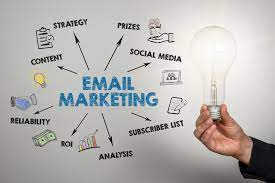
Email newsletters remain a potent tool in the digital marketing arsenal, helping businesses establish connections, drive engagement, and foster loyalty among subscribers. To make the most of this versatile medium, it’s essential to follow best practices that ensure your messages resonate with your audience. In this article, we’ll explore effective email newsletter best practices to help you create campaigns that shine.

1. Segment Your Audience

One size doesn’t fit all when it comes to email newsletters. Start by segmenting your email list based on factors like demographics, behavior, or purchase history. Tailor your content to each group’s specific interests and needs, resulting in more relevant and engaging messages.

2. Compelling Subject Lines

Your subject line is the first impression subscribers have of your newsletter. Craft compelling, concise subject lines that pique curiosity or offer value. Avoid using excessive capitalization or spammy language, which can trigger spam filters.

3. Engaging Content

The heart of your newsletter is its content. Ensure it’s informative, visually appealing, and easy to read. Use a mix of text, images, and whitespace to create an aesthetically pleasing layout. Incorporate compelling headlines, brief summaries, and clear calls to action (CTAs) to guide readers through your content.

4. Mobile Optimization

With the majority of emails being opened on mobile devices, responsive design is non-negotiable. Test your newsletter on various screen sizes to ensure it looks good and functions seamlessly on both desktop and mobile devices.

5. Personalization

Personalization goes beyond addressing recipients by their first name. Use dynamic content to tailor the newsletter to the subscriber’s preferences and past interactions. This might include product recommendations, location-specific information, or content based on their engagement history.

6. Consistency

Establish a consistent sending schedule to manage subscriber expectations. Whether it’s weekly, bi-weekly, or monthly, stick to your schedule. It helps build anticipation and keeps your brand top of mind.

7. Clear CTAs

Every Email newsletters should have a clear and compelling call to action (CTA). Use action-oriented language, such as “Shop Now,” “Learn More,” or “Get Started.” Ensure CTAs are prominently placed and easy to click on both desktop and mobile.

8. A/B Testing

Never stop experimenting. Use A/B testing to evaluate different elements of your newsletter, such as subject lines, content layout, images, and CTAs. Analyze the results to fine-tune your approach and improve performance over time.

9. Unsubscribe Option

Make it easy for subscribers to opt out if they wish. Not only is this a legal requirement in many regions, but it also demonstrates respect for your audience’s choices. Provide a clear and accessible unsubscribe link in each email.

10. Measure and Analyze

Regularly monitor your newsletter’s performance using metrics like open rates, click-through rates, conversion rates, and unsubscribe rates. Use this data to refine your strategies and improve future campaigns.

11. Compliance and Privacy

Stay informed about data protection regulations, such as GDPR or CAN-SPAM, and ensure your email practices comply with them. Respect subscriber privacy, protect their data, and seek consent when necessary.

12. Engage in Feedback

Encourage subscribers to provide feedback through surveys or replies to your emails. Listen to their suggestions and concerns, and use this feedback to make improvements.

In conclusion, crafting effective email newsletters requires attention to detail, audience understanding, and a commitment to continuous improvement. By following these best practices, you can create newsletters that not only stand out in crowded inboxes but also foster stronger connections with your subscribers and drive desired actions. Remember, an engaged and satisfied audience is the ultimate measure of success in email marketing. Contact us today for the best Email marketing services.